
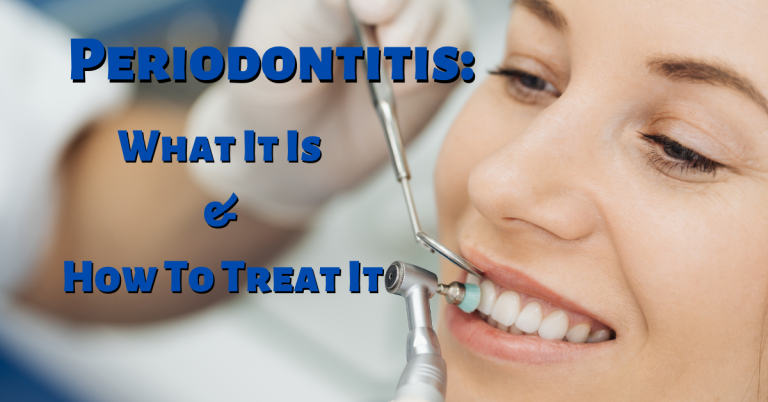

There are many things that we don’t know about our mouths. One of them is Periodontitis, which can be prevented and treated with the help of a dental professional.
Periodontitis is an inflammation of the gums that have caused destruction to the bone that supports your teeth. The condition can be caused by bacteria that live in plaque, a sticky film of bacteria that forms on teeth after eating or drinking sugary foods.
If you think you may have periodontitis, it’s essential to see a dentist immediately. It will only get worse over time without treatment. First, let’s explore more about Periodontitis, its symptoms, and possible treatments.
What is Periodontitis?
Periodontitis is an infection of the gums, also known as gum disease. This infectious disease can lead to tooth loss and other serious health problems if it’s not treated correctly. Treatment varies depending on how far along you are in stage 4 periodontal disease but may include deep cleaning, scaling and root planing, surgical therapy if necessary as well as taking antibiotics regularly.
People with periodontitis have pockets that are deep in their gums that fill with plaque and tartar. These pockets eventually get infected and this periodontitis feeds off the gum tissue, which also causes it to worsen. The most common way people get periodontitis is from plaque build-up around their teeth from not brushing correctly or not flossing enough.
What Causes Periodontitis?
The most common cause of periodontitis is plaque that builds up around the teeth if brushing or flossing is not done. An individual who smokes is also more likely to get periodontitis because cigarette smoking causes periodontal bacteria to grow faster. Stress can also contribute to periodontitis because stress often leads to individuals biting their cheek or tongue which can lead to periodontal tissue getting infected.
How Does Periodontitis Start?
Periodontitis starts with periodontal tissue which includes the periodontal ligament, periodontal membrane, and alveolar bone. The periodontal ligament is a thin layer of fibrous tissue that attaches to the root of one’s teeth. Periodontitis starts in the gums and progresses up to the periodontal ligament. Even though periodontal tissue begins in the gums, periodontitis can affect all of your periodontal tissue. If periodontitis is not treated it will spread to the periodontal ligament. Stage four periodontitis involves bone loss and dental implants are one option for treating bone loss if the patient has enough teeth left to anchor the dental implant.
What are the Stages of Periodontitis?
- Stage 1 Periodontitis: This stage is characterized by slight inflammation in the periodontal tissue. The periodontal ligament has not yet been affected.
- Stage 2 Periodontitis: This stage is when periodontitis starts to affect the periodontal ligament. This could lead to tooth loss if it impacts the root of one’s teeth. Moderate inflammation is present at this stage.
- Stage 3 Periodontitis: The periodontal ligament starts to deteriorate at this point and could lead to tooth loss. Severe inflammation is also present in this stage of periodontitis.
- Stage 4 Periodontitis: This stage of periodontitis is the most severe. Bone loss is present in this stage and could lead to tooth loss or implant placement. Severe inflammation is also present at this point in periodontitis.
Can Periodontitis Be Cured Without Surgery?
The periodontitis can be cured without surgery by deep cleaning, scaling, root planing as well as taking antibiotics regularly. The periodontitis will be cured if periodontal health is maintained.

How Quickly Does Periodontitis Progress?
Periodontitis progresses fastest when periodontal health is not maintained. The periodontitis will stay at the same stage if periodontal health is maintained. If periodontitis is not treated it could lead to periodontitis progressing. The progressing periodontitis could cause periodontal ligament bone loss of the teeth.
What are the Symptoms of Periodontitis?
The symptoms of periodontitis are inflammation, redness, periodontal pockets, gum recession, and tooth loss. The periodontitis symptoms are based on the periodontal pocket depth, periodontal attachment loss, and gingival inflammation.
- Inflammation: appears as redness in the mucous membranes of periodontal pockets and bleeding upon probing periodontal tissues.
- Redness: appears when a wound is infected or if one has a severe case of periodontitis the cells may die, causing a deep gingival hemorrhage that can never heal because it is so deep.
- Periodontal pockets: appear when there is an infection in the periodontium which leads to bone destruction by pathogenic bacteria. The periodontal pocket depth begins with bleeding upon prodding, which will cause the formation of a normal clot at the periodontal pocket. After periodontal pockets are formed, periodontitis can begin to develop.
- Gingival inflammation: appears as red bleeding gums and soreness on the teeth due to periodontitis induced by periodontal bacteria that travel through blood vessels into periodontal tissues causing tissue destruction.
- Gingival bleeding: occurs due to periodontitis when the gum is exposed because of bone loss around the tooth root. If left untreated, periodontitis can lead to tooth loss over time due to tooth mobility caused by inflammation.
How Is Periodontitis Treated?
The periodontitis treatment involves periodontal charting, periodontal debridement, and periodontal maintenance therapy. The periodontal charting is conducted by a periodontist who looks for periodontal pockets and bone loss around the tooth roots. If periodontitis has developed, periodontists can remove tartar from teeth and help restore gum tissue to its normal position with a scaling instrument that removes soft deposits of calculus from under a microscope.
- Periodontal debridement: refers to removing tartar from teeth along with plaque from below the gums in order to stop disease progression before tissue atrophy develops. This step is critical because after periodontitis begins it cannot be reversed without proper cleaning below gum lines.
- Periodontal maintenance therapy: periodontal maintenance therapy is done between periodontal charting to maintain periodontitis treatment that has been conducted by periodontists. Tooth brushing with proper technique and flossing is essential for gums to stay healthy after periodontitis treatment.
How Do You Prevent Periodontitis from Getting Worse?
Brushing and flossing your teeth at least twice a day is one way to prevent periodontitis from getting worse. Furthermore, chewing sugar-free gum after meals will help reduce the chances of developing periodontal diseases and will also keep your plaque levels down.
What Other Things Can You Do to Help Prevent Periodontitis?
One thing people often neglect when trying to stay healthy is their oral health. It goes without saying that by taking care of your mouth you’ll be preventing periodontitis from getting worse simply because bacteria won’t get in your gums and cause disease. Brushing and flossing two times a day with an appropriate toothpaste for maintaining oral hygiene will go a long way in keeping periodontitis under control. However, this is just the first step, and periodontitis can still develop if not prevented or treated early.
Is Periodontitis Hereditary?
Periodontitis is hereditary. In most cases, periodontitis is a result of gene mutations affecting either the periodontal ligament or alveolar bone and periodontal tissues surrounding the teeth.
Does Periodontitis Weaken Your Immune System?
Periodontitis weakens your immune system because periodontitis can cause severe damage to the teeth and gums. As periodontal disease progresses, it can erode alveolar bone that supports teeth, forming “pockets” around the roots of the teeth. When this occurs, one’s resistance to illness is decreased, thus increasing susceptibility to periodontal infections.
Can Periodontitis Cause Bad Breath?
Periodontitis can cause bad breath because the periodontal disease affects the gingiva, which is where periodontal bacteria live. When periodontitis is diagnosed and tartar or plaque build-up around the gum line has to be removed via periodontal debridement, this removes periodontal bacteria and prevents periodontitis from worsening. Periodontitis is an infection that affects periodontal tissue, not the lungs or sinus passages; therefore periodontitis does not cause bad breath nor give periodontitis patients bad breath due to periodontal disease.
Periodontitis can be dangerous if left untreated and can lead to tooth loss over time. If periodontitis is not treated periodontists can help you by removing tartar from teeth and restoring gum tissue. Moreover, periodontitis treatment will be an important step in keeping periodontitis at bay so periodontal disease doesn’t worsen.


